
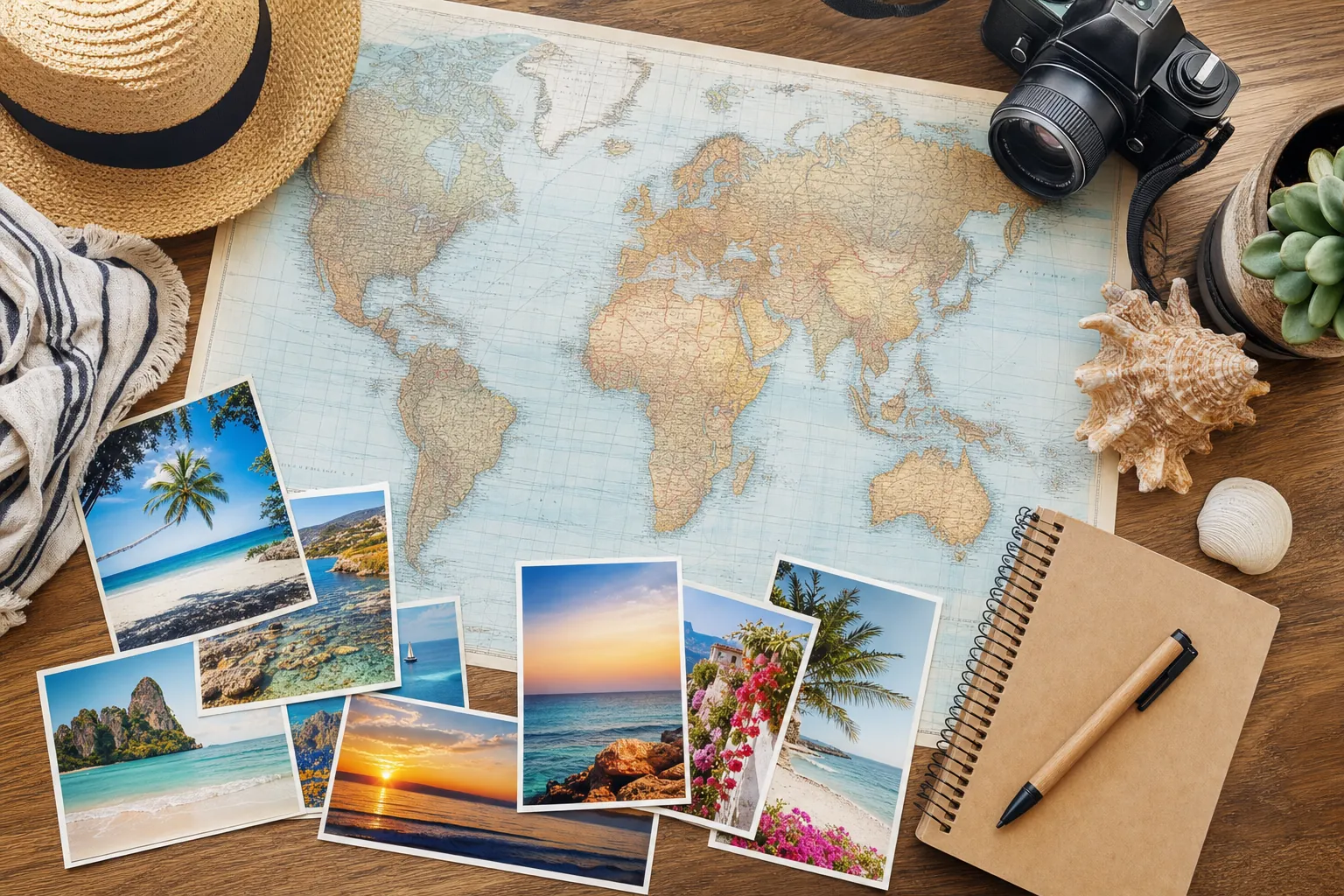
Imagine the Perfect Escape Awaits
Dreaming of a sun-soaked beach in the Caribbean, a cultural deep dive through historic European cities, or an Alaskan adventure among glaciers and wildlife? You're not alone—millions seek transformative travel experiences each year, turning vacation planning into an exciting journey of its own. The thrill begins long before departure: it’s in the research, the inspiration, and the careful crafting of an itinerary that aligns with your passions. Whether you're exploring tropical ports from Miami to Nassau or chasing northern lights in fjord-rich regions, intentional planning sets the foundation for unforgettable memories.
This guide is designed for travelers who want more than just a getaway—they want a seamless, enriching, and personalized escape. You’ll discover how to align destination choices with interest clusters like adventure, relaxation, or culture. Learn to balance pacing, choose accommodations that enhance your experience, and leverage tools like cruise line apps or city transit passes to reduce friction. From packing strategies to port logistics, timing your excursions, and selecting experiences that match your energy levels, every detail contributes to a stress-free journey.
By focusing on smart preparation, realistic scheduling, and destination-specific insights, you’ll unlock the full potential of your trip—no matter where you're headed.
5 Steps to Find Your Perfect Dream Destination
Choosing the right destination sets the tone for your entire vacation—get it right, and every moment feels effortless. Whether you're chasing tropical beaches, mountain retreats, or cultural city breaks, follow these five essential steps to match your trip to your lifestyle, budget, and travel aspirations.
- Define Your Travel Style and Must-Have Experiences Start by identifying what energizes you most—adventure, relaxation, cuisine, or history. Are you picturing yourself hiking through rugged coastlines, unwinding at an all-inclusive beach resort, or exploring vibrant local markets? Pinpointing your travel style helps narrow destinations that align with your interests and ensures your trip delivers meaningful moments.
- Set a Realistic Budget—Including Hidden Costs Look beyond flight prices and factor in accommodations, meals, transportation, activities, and travel insurance. Research average daily costs in potential locations, keeping in mind seasonal fluctuations. A destination might seem affordable, but high costs for tours or internal flights could add up quickly. Planning your budget early prevents overspending down the line.
- Evaluate Travel Season and Climate Windows Timing impacts everything from pricing to weather. Popular destinations like the Caribbean or European capitals peak during holidays and summer months, driving up costs. Consider shoulder seasons—like spring in Portugal or fall in New England—for better rates and fewer crowds while still enjoying pleasant conditions.
- Assess Accessibility and Trip Duration Match your destination to your available time and travel convenience. A 48-hour trip from Ft Lauderdale? Consider the Bahamas or Cancun. Want a week-long escape? Explore longer-haul spots like Costa Rica or Italy. Direct flights, visa requirements, and time zone differences all influence travel comfort and itinerary feasibility.
- Research Local Culture, Safety, and Infrastructure Ensure your destination supports your comfort level and needs. Look into healthcare access, language barriers, public transit, and local customs. Some travelers prefer English-friendly areas with established tourism systems, while others seek immersive cultural experiences. Safety ratings and travel advisories can also guide smart decisions.
4 Smart Budgeting Strategies to Turn Dream Vacations into Reality
Planning your dream vacation doesn’t have to mean racking up debt or draining savings overnight. With smart financial strategies, you can make your getaway both achievable and stress-free. Here are four proven tactics to help you save effectively and travel on a budget—without sacrificing quality or experience.
- Set a Clear Travel Fund Goal with Milestones Break down your total trip cost into monthly or weekly savings targets. Whether you're heading to the beaches of Cancun or exploring the mountains of Asheville, having a defined number keeps you focused. Open a dedicated high-yield savings account and automate deposits to stay consistent.
- Leverage Off-Peak Travel Savings Timing is everything. Traveling during shoulder or off-peak seasons can slash airfare, accommodations, and activity costs by up to half. Plus, popular destinations like Charleston, SC, or Orlando are less crowded, offering a more relaxed experience. Flexibility around dates boosts your budget power.
- Use Travel Rewards & Strategic Credit Card Points Maximize cash-back cards and travel rewards programs by reserving them for everyday expenses you’d pay anyway—gas, groceries, dining. Redeem points for flights, hotel stays, or even last-minute excursion credits. Just be sure to pay off balances monthly.
- Adopt a “Vacation Budget Tracker” Mindset Track both your savings progress and projected expenses with a simple spreadsheet or app. Categorize costs: transportation, lodging, meals, activities. This clarity prevents overspending and highlights where you can cut costs—like choosing a vacation rental over a resort fee-heavy hotel.
3 Pro Tips for Booking Flights, Accommodations & Activities Like a Travel Pro
Planning your dream vacation starts with smart bookings—but knowing where to begin can feel overwhelming. Avoid common pitfalls and maximize value with these three expert-backed strategies designed to streamline your trip from takeoff to touchdown.
- Book Flights Early with Flexibility in Mind Timing is everything when securing affordable airfare. For peak destinations like the Caribbean or coastal Florida, aim to book international flights 2–3 months out and domestic legs 4–6 weeks in advance. Use fare tracking tools on your website to monitor price drops and set alerts. Prioritize refundable or changeable tickets when possible, especially for destinations prone to weather disruptions. Flying into secondary airports—such as Fort Lauderdale instead of Miami—can also unlock savings and easier transfers to cruise ports or resort zones.
- Choose Accommodations Based on Location and Local Transit Don’t just chase the lowest rate—evaluate where you’ll stay. Proximity to public transit, walkable districts, or free shuttle routes can dramatically reduce transportation costs and save time. For beach getaways or port cities, prioritize lodging within walking distance of attractions or with direct access to activities. Read guest reviews that mention walkability, noise levels, and check-in efficiency. Consider vacation rentals with kitchens to cut dining costs, or all-inclusive resorts if minimizing daily decisions is part of your relaxation plan.
- Pre-Book High-Demand Activities to Secure Spots and Rates Popular excursions—think snorkeling in Cozumel, guided tours in Key West, or theme park fast passes—sell out quickly, especially during holiday weeks. Lock in availability weeks ahead through official providers or trusted platforms linked via your website. Early booking often comes with price locks, free cancellation, or skip-the-line access. Bundling activities not only saves time but also grants peace of mind knowing your must-do experiences are confirmed—leaving more room to savor the moment.
Your Top Travel Planning Questions—Answered
When is the best time to book a vacation? Timing your booking right can save hundreds. For cruises and all-inclusive resorts, aim to book 9–12 months in advance for the best cabin or room selections and payment plans. Domestic flights often have sweet spots 1–3 months out, while international trips are typically cheapest when booked 2–5 months ahead. Watch for seasonal promotions around holidays or low-demand periods—like late January or September—for unexpected deals.
How do I handle unexpected changes during my trip? Flexibility is key. Always carry travel insurance that covers trip interruptions, medical issues, and cancellations. Save emergency contacts, including local embassy info and your airline or cruise line’s customer service, in your phone. If flights are delayed or ports change, stay proactive—download offline maps, have backup lodging options, and use travel apps with real-time updates.
Can I maximize a short vacation? Absolutely. Focus on one destination instead of multiple to reduce transit fatigue. Fly mid-week when airports are less crowded, and consider nearby locations with quick flight times—like hopping to the Keys or a nearby coastal city. Pre-book airport transfers and top excursions to save time.
What documents do I really need? Most international trips require a passport valid for at least six months past your return date. Some Caribbean and Central American destinations accept a driver’s license and birth certificate for closed-loop cruises, but always opt for a passport—it offers flexibility if rerouting is necessary.
How far in advance should I pack? Start assembling essentials one week early. Use checklists by category—clothing, electronics, medications—to avoid last-minute stress. Pack a carry-on with valuables and one full change of clothes in case of delays.
Ready, Set, Explore: Turn Your Dream Vacation Into Reality
You’ve gathered the inspiration, studied the tips, and now it’s time to take the leap—your dream vacation isn’t just a fantasy, it’s a plan in motion. Whether you're picturing a sun-soaked beach in the Caribbean, a cultural deep dive in historic cities like Miami or New Orleans, or an Alaskan cruise surrounded by dramatic fjords, the journey begins with a single, confident step forward.
Start by defining your vision: destination, travel dates, and the type of experience you crave—relaxing, adventurous, or a mix of both. Use the cruise strategies you've learned to guide your decisions, from cabin selection and packing lists to port logistics and budget planning. Break down the process into manageable tasks: research itineraries, compare departure ports like Fort Lauderdale or Galveston, secure travel documents early, and lock in bookings before peak-season rates climb.
Leverage digital tools—cruise line apps, itinerary planners, and document organizers—to keep everything streamlined. And don’t forget travel insurance; it’s a small investment that offers big peace of mind. Most importantly, embrace the excitement. Every detail you plan now multiplies the joy you’ll feel when you’re sipping a cocktail on deck, watching the sunset over the ocean.
Your adventure is waiting—start planning today and sail into unforgettable moments with confidence and clarity.