
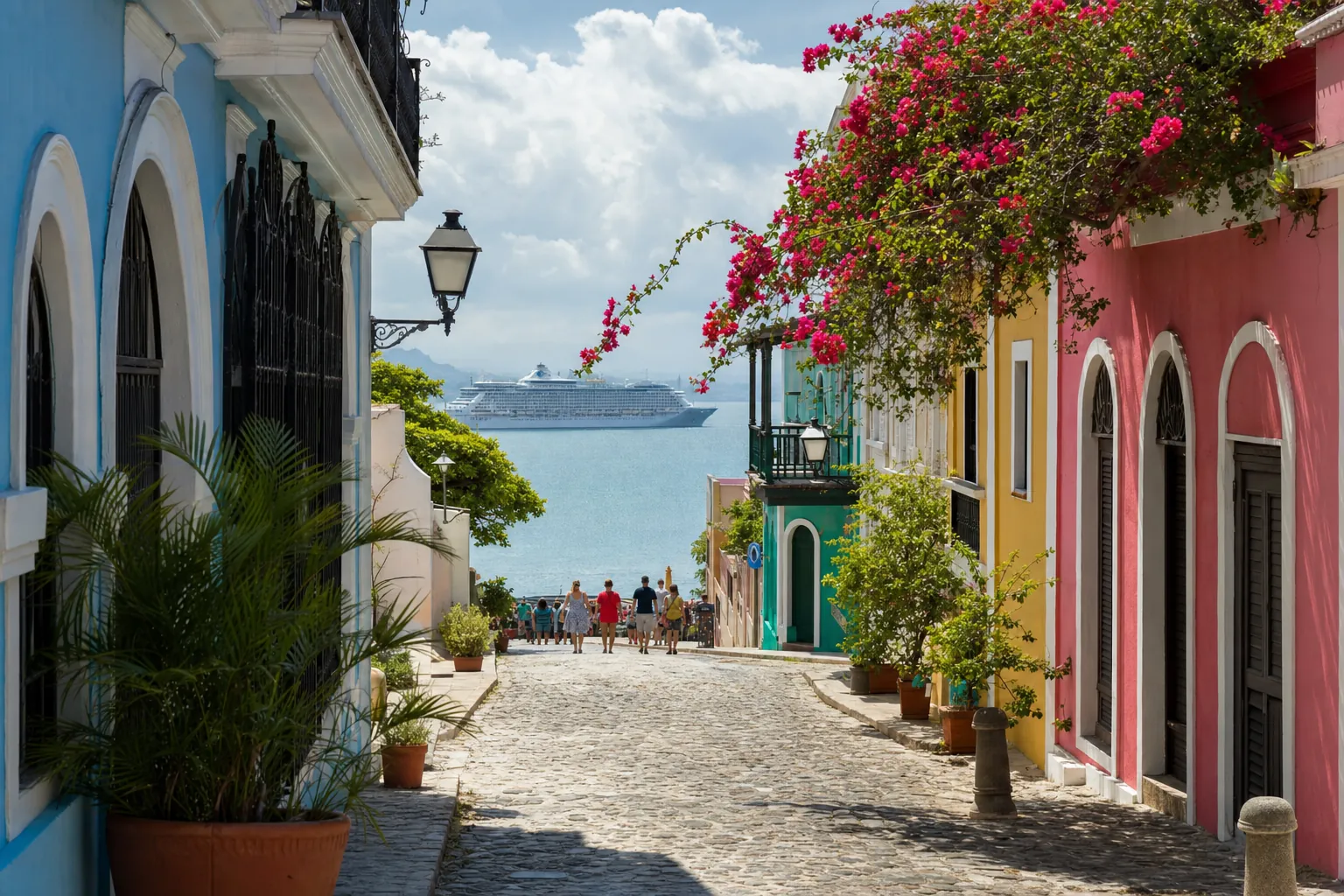
Step Off the Ship and Into the Story: Why Walking Beats Waiting for Tours
There’s a quiet revolution happening among cruise travelers—those who skip the crowded shuttle buses and step directly onto local streets the moment they disembark. Exploring cruise ports on foot isn’t just convenient; it’s transformative. Without the rigid schedules and group pacing of excursions, independent explorers gain freedom, spontaneity, and often deeper cultural connection. In fact, over half of seasoned cruisers now prioritize walkable destinations when choosing itineraries, seeking out ports where the town center is just minutes from the gangway.
In this guide, you’ll discover how walking into a port unlocks richer experiences: from sipping espresso at a family-run café tucked down a cobblestone alley, to stumbling upon a local market bursting with regional crafts and flavors. You’ll learn what makes a port truly walkable—compact layout, clear signage, pedestrian-friendly paths—and how to assess safety and navigation confidence before you go. We’ll also cover practical tips like using translation apps, respecting local customs, and carrying just the essentials.
No more missing hidden courtyards or historic plazas because the tour van didn’t stop. By the end, you’ll be equipped to transform your port day from a passive stopover into an authentic, immersive chapter of your journey.
10 Walkable Cruise Ports Where You Can Step Off and Explore
Cruise travelers increasingly seek destinations where they can disembark and dive straight into local culture—without relying on shuttles or tours. The best walkable cruise ports offer safe, scenic, and intuitive pathways from the dock to top attractions, allowing you to maximize your limited time ashore. These ports combine compact layouts with pedestrian-friendly infrastructure, making them ideal for independent exploration. Whether you're after historic architecture, local markets, or seaside promenades, these 10 ports deliver unforgettable experiences just steps from the gangway.
- Nassau, Bahamas – Colonial Charm Meets Caribbean Vibe Arriving in Nassau, you're greeted by the colorful colonial buildings of Parliament Street, just a short stroll from the Prince George Wharf. Walk along Bay Street to browse local art, sample conch fritters at a roadside stand, or visit the historic Queen’s Staircase. The straw market, though recently relocated, still offers handmade crafts nearby. With flat terrain and a defined downtown core, it’s easy to navigate without a map.
- Victoria, British Columbia – Pacific Northwest Elegance The Inner Harbour cruise terminal places you steps from the iconic Fairmont Empress, the Royal BC Museum, and the scenic Dallas Road seawall. Wander through the Butchart Gardens shuttle stop or explore Government Street’s boutique shops. The compact, hilly layout rewards sturdy shoes, and sidewalk signage makes orientation simple. Don’t miss the aromatic Pike Place-style fish market near the dock.
- La Romana, Dominican Republic – Gateway to Indigenous Culture & Nature Just a 15-minute walk from the dock, Altos de Chavón—a re-created Mediterranean village—offers artisan markets, an archaeological museum, and open-air performances. The pedestrian pathway from the terminal is well-paved and clearly marked. Combine your walk with a short taxi ride to Casa de Campo or Casa de Campo Marina for a fuller experience, or stay local to sample Dominican coffee and hand-rolled cigars.
- Ibiza, Spain – Mediterranean Lifestyle Without the Clubbing Chaos While famed for nightlife, Ibiza Town’s UNESCO-listed Dalt Vila (Upper Town) is a walkable marvel of cobbled alleys, ancient walls, and sea-view plazas. The port is just a 20-minute uphill walk from the historic core, or take the public ramp elevator. Local vendors sell ensaimadas and handmade sandals, and the Passeig de Vara d’Estat offers panoramic views—perfect for sunrise or sunset strolls.
- Kotor, Montenegro – Walled City at the Edge of the Fjord This Adriatic gem opens directly onto a UNESCO World Heritage site. From the compact port area, follow the stone pathway through the Sea Gate into Old Town. Meander narrow lanes lined with Baroque churches and artisan kiosks, or hike the 1,350 steps to the fortress for breathtaking fjord views. The route is well-marked, and cafes near the entrance offer strong espresso for pre-hike fuel.
- Hanko, Finland – Nordic Simplicity and Seaside Promenades This southernmost tip of Finland welcomes cruise ships with wide, flat walkways leading straight into a charming seaside town. Stroll the harborfront park, browse the local craft market, and stop at a kiosk for pulla (Finnish cinnamon bread) and coffee. With minimal elevation and clear signage in English, it’s ideal for travelers seeking a quiet, easygoing Nordic experience.
- San Juan, Puerto Rico – Historic Port with Vibrant Street Life The San Juan Cruise Port places you at the edge of Old San Juan, a mosaic of blue cobblestone streets, colonial forts, and pastel-hued buildings. Walk the ramp from Pier 2 directly into the historic district. Visit Castillo San Cristóbal, sip cafecito at a sidewalk café, or browse local artesanos at Plazuela de la Rogativa. The fortified city is compact and well-suited for self-guided exploration.
- Reykjavik, Iceland – Arctic Urban Adventure The Old Harbor terminal is just a 10-minute walk from the heart of downtown Reykjavik. Follow the harbor path to the Harpa Concert Hall, then explore Laugavegur street for boutiques, waffle stands, and design galleries. The city’s low density and excellent sidewalk heating in winter make it walkable year-round. Info booths near the dock provide free maps and walking route suggestions.
- Belize City, Belize – Tropical Gateway to Mayan Ruins & Reefs Despite its reputation, Belize City’s cruise terminal area has improved pedestrian access to key sites. Walk the newly paved path to the Belize Museum, or head to the Bar & Grill for local Creole cuisine. The walk is short and flat, and locals are accustomed to cruise guests. From here, it’s easy to book a guided excursion—or simply soak in the Caribbean rhythm at a waterfront bench.
- Kusadasi, Turkey – Aegean Hub with Ancient Roots Just a 15-minute walk from the pier, the town center offers bazaars, fresh pomegranate juice, and easy access to the Ephesus shuttle point. Even if you book a tour to the ruins, spending extra time walking Kusadasi’s seaside promenade and Mermerli Beach pays off. Sidewalks are maintained, and vendors are used to international visitors, making navigation straightforward.
For travelers aiming to make the most of short port calls, choosing walkable destinations reduces transit stress and boosts cultural immersion. Stick to ports with clear pedestrian routes, local service density, and well-marked pathways to ensure a safe, rewarding experience—every step of the way.
Navigate with Confidence: A Step-by-Step Guide to Exploring Cruise Ports on Your Own
Exploring cruise ports independently opens the door to authentic local experiences—but doing so safely and confidently requires preparation. Follow this step-by-step guide to make the most of your time ashore while staying connected, respectful, and in control.
- Download Offline Maps and Navigation Tools Before disembarking, save offline versions of Google Maps or Maps.me for your port city. These tools work without data and help you locate key landmarks, restrooms, and transit hubs. Pro tip: Mark your ship’s terminal as a pin to ensure a quick return.
- Research Local Etiquette and Cultural Norms Different regions have unique customs—what’s polite in one place may be offensive in another. Learn basic greetings in the local language and observe norms like dress codes at religious sites or tipping expectations. Small gestures show respect and often lead to warmer local interactions.
- Carry a Portable Charger and Keep Devices Charged A dead phone can derail your plans. Bring a compact power bank to keep your phone, camera, and translation apps running all day. Stay ready: charge everything the night before and pack cords in an easy-access pocket.
- Use a Global SIM or eSIM for Constant Connectivity Staying online helps with navigation, translation, and safety. Purchase an eSIM before your trip to access local networks instantly upon arrival. This avoids costly roaming fees and keeps you linked to emergency contacts.
- Share Your Itinerary and Check In Regularly Let a travel companion or family member know your plans, including expected return times. Use frequent check-ins via messaging apps to confirm your whereabouts. This adds a safety layer, especially when venturing off the beaten path.
With smart preparation, independent exploration becomes a rewarding part of any cruise adventure.
Step Off the Beaten Path: Why Walking the Port Deepens Your Travel Experience
Exploring a new destination on foot transforms the way you connect with a place. When you step off the cruise ship and choose to walk through a port city instead of boarding a tour bus, you open the door to authentic moments that postcards can't capture. Unlike structured excursions, walking gives you the freedom to wander down cobblestone alleys, pause at neighborhood cafes, and stumble upon local markets where residents shop for fresh produce and handmade goods. These unplanned interactions are where cultural immersion truly begins.
Ports designed with walkability in mind—like those in the Caribbean, Mediterranean, and Pacific Northwest—often place historic districts, waterfront promenades, and cultural landmarks just minutes from the gangway. By foot, you can feel the rhythm of daily life: fishermen mending nets, artisans arranging seaside stalls, children laughing on their way home from school. These sights, sounds, and scents create a richer narrative than any guided narration could provide.
For travelers seeking meaningful engagement, walking offers control over pace and perspective. Carry a reusable water bottle, wear comfortable shoes, and keep a small map or offline navigation app handy. Focus on neighborhoods within a 15- to 30-minute radius of the pier, where safety and signage are typically reliable. Observe local customs—greet shopkeepers with a smile, try a few words in the local language, and respect quiet zones near homes and places of worship.
This style of exploration supports sustainable tourism by spreading economic benefits beyond the cruise terminal. When you stop at independent bakeries, craft shops, and family-run eateries, your spending directly supports the community. You're not just passing through—you're becoming part of the port’s story, even if only for a day.
Your Safety, Timing & Planning Questions—Answered
Walking ashore at cruise ports opens up vibrant coastal towns, historic districts, and local markets—all within steps from the gangway. But travelers often wonder how to navigate these excursions safely and efficiently. Here’s what you need to know to make the most of your time ashore.
Is it safe to walk into town from the cruise port? In most cases, yes—especially in well-trafficked port cities with established tourist infrastructure. Many walkable ports, like those in the Caribbean, Mediterranean, and Alaska, are designed with visitors in mind, featuring clearly marked pathways, tourist signage, and local security. Always stay aware of your surroundings, stick to populated areas, and avoid isolated zones. When in doubt, ask ship staff for recommended walking routes.
How much time should I allow for exploring on foot? Plan to return to the ship at least 30 minutes before departure. Ships won’t wait, so factor in walking distance, potential delays (like local events or crowds), and possible fatigue—especially in hot climates. For shorter port stops (under 4 hours), limit your walk to 15–20 minutes each way to maximize exploration time without rushing back.
Are walkable ports accessible for travelers with limited mobility? Many modern cruise ports offer accessible sidewalks, ramps, and shuttle services from the dock to main attractions. However, cobblestone streets in historic European towns or uneven terrain in tropical islands can pose challenges. Check your cruise line’s port guide or consult guest services for detailed accessibility notes. Wearing supportive footwear and bringing mobility aids, if needed, can improve comfort.
Do I need a tour, or can I explore independently? Countless ports are perfectly safe and intuitive for independent exploration. If the town center is within 10–20 minutes of the terminal and well-signed, you can often walk solo without issue. Bring a offline map app and save the port address to avoid confusion. Guided tours are recommended only in more complex or remote locations.
What should I carry when walking into town? Keep it light: a small crossbody bag with water, sunscreen, ID, credit cards, and your ship’s port arrival time. Leave passports and valuables locked in your cabin—your cruise card is typically all you need for re-boarding.
How can I avoid missing the ship? Set a phone alarm 45 minutes before departure and confirm local timezone settings. Note the ship’s location—if it’s docked at a far end of town, allow extra walking time. Some ports offer public Wi-Fi near the terminal, so you can check real-time updates if uncertain.
Are local transportation options safe and reliable? In many ports, taxis, trolleys, and water taxis are available just outside the terminal. Opt for pre-approved services or those recommended by crew. Agree on fares upfront or ensure meters are used to prevent misunderstandings.
Embrace the Freedom of Self-Guided Exploration
There’s a unique kind of magic in stepping off the cruise ship and forging your own path through a new destination. As we’ve seen with walkable cruise ports—from cobblestone districts to coastal promenades—self-guided exploration puts you in control of your experience. Forget rigid tour schedules and overcrowded group itineraries; instead, wander historic alleyways, sip espresso at a sidewalk café, or stumble upon a local market selling handmade crafts. These unplanned moments often become the highlights of any journey.
The beauty of walkable ports lies in their accessibility and intimacy. Whether it’s Old Town in Key West, the waterfront trails of Juneau, or the charming lanes of Corfu Town, these destinations are designed for discovery on foot. You set the pace, choose your interests, and engage authentically with the culture. Plus, you’ll avoid the hassle of transit transfers, parking, or missing your ship—common pain points for time-sensitive cruisers.
To make the most of your shore time:
- Download offline maps and local business info ahead of time
- Wear comfortable shoes and pack a lightweight day bag
- Prioritize one or two key sights while leaving room for spontaneity
- Ask locals for recommendations—they know the best hidden spots
When you choose self-guided adventures, you’re not just visiting a place—you’re experiencing it. Let your curiosity lead the way on your next cruise and uncover what travel was meant to be: personal, meaningful, and refreshingly unplanned.