
A relaxing vacation usually starts with a smaller decision list, not a longer one. When every destination, hotel and itinerary looks possible, it is easy to spend weeks comparing details and still feel unsure. A simple planning order helps you settle what matters first, filter out the noise and arrive with more room to enjoy the trip.
Use this guide to turn a rough idea into a vacation that fits the people traveling, the time you have and the feeling you want to bring home.
Start with the reason for the trip
Before opening booking sites, decide what this time away needs to do for you. Maybe your family needs a change of pace after a busy season. Maybe you want a honeymoon with fewer moving parts. Maybe you want a cruise where the days are planned for you, but the choices still feel personal.
Write down three things:
- Who is traveling, including ages and any needs that shape the trip.
- How you want the trip to feel: restful, active, celebratory, easy or a mix.
- Two things that would make the trip a success.
This is enough to make the next decisions clearer. A beautiful destination is not the right choice if the travel day is exhausting, the hotel setup does not work for your group or the pace is wrong for the occasion.
Choose your travel window before choosing the destination
Dates narrow the field faster than almost anything else. Start with the days you can actually take away, then note how flexible you are on departure and return. Leaving a day earlier or later can change flight options, cabin availability and the overall rhythm of the trip.
Give yourself a little breathing room when you can. A late arrival home before work or school can make a wonderful trip feel rushed at the end. For cruises, a pre-sailing hotel night may be worth considering when flights, weather or a long drive could put embarkation day under pressure.
If you are traveling internationally, check passports and entry requirements before you fall in love with a route. It is a quick early step that prevents a painful surprise later.
Give the budget clear jobs
A vacation budget works better when it is more than one large number. Divide it into the categories that shape the experience: transportation, accommodation or cruise fare, meals, activities, local transportation, travel protection and a small cushion for the unexpected.
Then decide where spending more would make the trip better. Some travelers value a direct flight. Others would rather choose a room with more space, a balcony, an easier location or an activity that feels special. There is no universal best use of the budget. The right choice is the one that removes the kind of friction you do not want on your trip.
Leave a little room for spontaneous decisions. A great local meal, a taxi after a long day or an excursion you discover along the way should not require a budget debate.
Pick a destination that matches your available time
A long-haul destination can be memorable, but it asks more of a short vacation. Think honestly about how many days you will spend in transit, what time changes will feel like and how much moving between places your group will enjoy.
For a shorter trip, one well-chosen home base often beats an ambitious itinerary. You spend less time packing, checking in and navigating unfamiliar connections. For a longer vacation, two distinct places can work beautifully when the transfer between them is simple and the second stop gives you a different kind of rest.
Choose the destination for the experience you want, not just the photo. A beachfront resort, a city hotel near the places you want to explore and a cruise with several ports can all be excellent choices. They simply solve different travel problems.
Keep each day light enough to enjoy
One anchor plan per full day is often enough: a beach day, a guided tour, a special dinner, a museum, a port excursion or an afternoon with nothing planned at all. Everything else can fit around that anchor.
This approach gives you direction without turning a delay, a rainy morning or a slow breakfast into a disappointment. It also leaves room to notice the small moments that tend to become the stories you remember.
For a cruise, look closely at arrival and departure times in each port, not only the port names. A full day ashore creates a different experience from a short stop. If you are new to cruising, our first-time cruise guide covers the details that make embarkation, cabins and port days easier to understand.
Make the first travel day easy
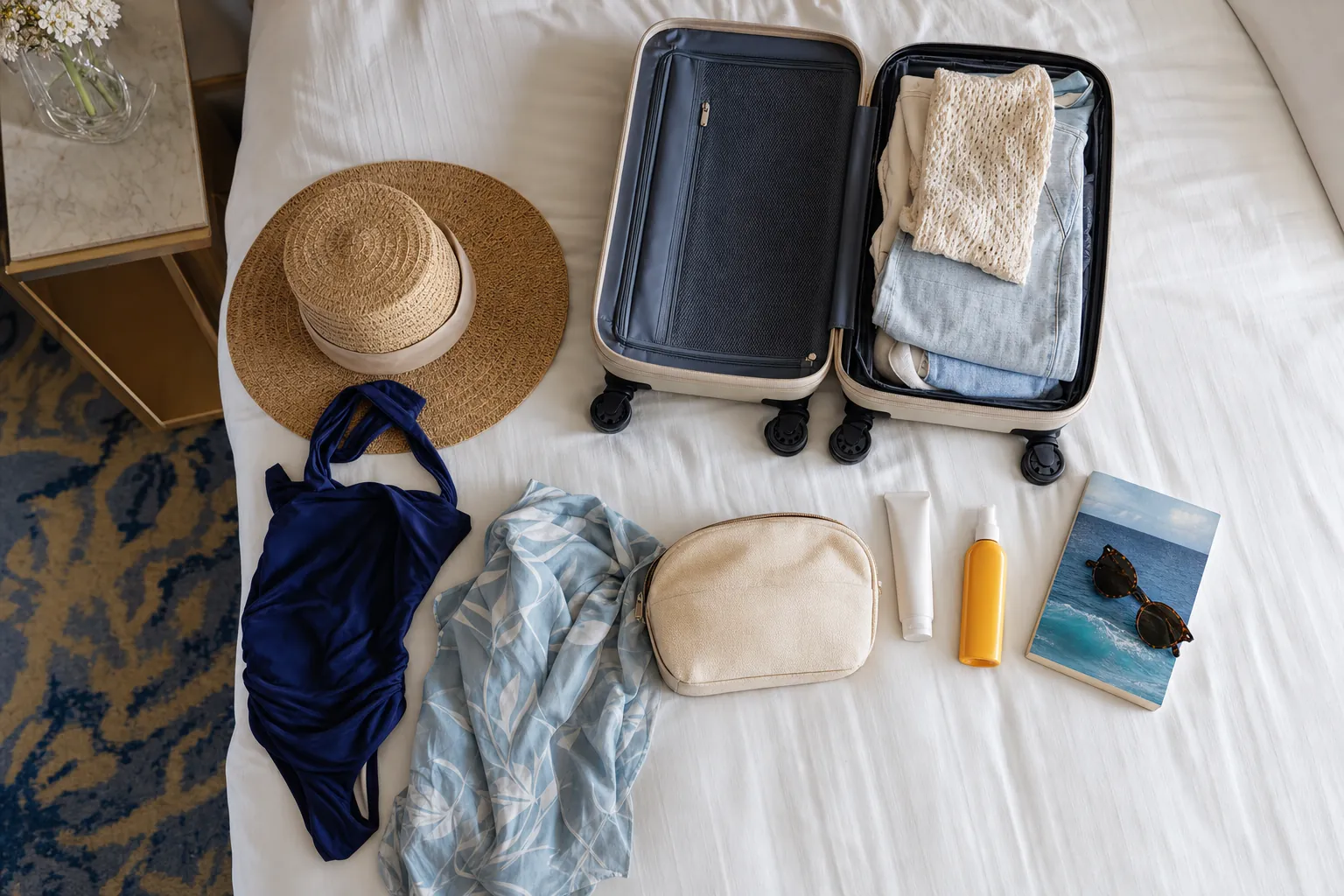
The beginning of a trip sets the tone. Keep important items in one carry-on or personal bag: identification, confirmation numbers, medication, chargers, a change of clothes, a small snack and anything you would not want separated from you if checked luggage is delayed.
Confirm your first arrival point, transfer plan and accommodation address before leaving home. If several people are traveling, make sure more than one adult can find those details. You do not need a complicated system. A shared note or folder with the essentials is usually enough.
For a cruise, add your ship name, terminal, boarding time and return-to-ship time to that same list. Our cruise packing guide can help you prepare the practical items that make the first day on board calmer.
Ask for help before the choices get noisy
You do not need to arrive with a finished itinerary to start planning. A helpful first conversation can begin with your likely dates, the people traveling, a comfortable budget range and the feeling you want from the trip.
GP Vacations can help you compare the options that fit, sort through the details that matter and make a plan that feels considered without feeling overbuilt. For a family escape, start with our family trip planning approach. For a celebration for two, explore romantic getaways or couples cruise packages. If the water is calling, a personal cruise planning conversation is a good place to begin.
Frequently asked questions
How far ahead should I plan a vacation?
Start when you know the likely travel window, especially for school breaks, cruises, popular resorts and trips that need several rooms. Planning early gives you more choices and more time to make decisions without pressure.
How do I choose between a cruise and a land vacation?
A cruise can be a strong fit when you want to visit several places while unpacking once and keeping meals, entertainment and daily logistics close at hand. A land vacation can be better when you want more time in one place or a particular style of hotel, city or beach. The right answer depends on the pace and experience you want.
Should I plan every day before I leave?
No. Plan the experiences that matter most, then leave open time for meals, rest, weather changes and the things you discover along the way. A vacation should have room to breathe.
What information should I have ready before asking for planning help?
Your possible dates, number of travelers, budget range, departure city and a few notes about what would make the trip feel worthwhile are enough for a productive start.